Navigating the exciting world of gaming PC purchases in 2026 requires smart decisions and up-to-date knowledge. This comprehensive guide helps you understand everything from core components like the latest NVIDIA RTX 60-series GPUs and AMD Ryzen 9000-series CPUs to essential considerations such as budget allocation and future-proofing your investment. Discover whether a pre-built system or a custom-built rig suits your gaming style and financial plan best. We will explore optimizing performance for various game genres, ensuring your new setup handles everything from demanding AAA titles in stunning 4K to competitive esports at high refresh rates. Stay informed on critical factors like cooling solutions, storage types, and display choices to maximize your gaming experience. This resource is designed to empower every gamer, from casual players to seasoned enthusiasts, with the insights needed to make the perfect PC purchase this year.
Related gamesbuying a gaming pc FAQ 2026 - 50+ Most Asked Questions Answered (Tips, Trick, Guide, How to, Bugs, Builds, Endgame)
Welcome to the ultimate living FAQ for buying a gaming PC in 2026, meticulously updated to reflect the latest hardware releases, software optimizations, and gaming trends. The PC landscape evolves rapidly, and staying informed is crucial for making the best investment. This guide consolidates insights from top experts and addresses the most common questions gamers ask, from budget considerations and component choices to advanced tips for maximizing performance and tackling common issues. Whether you are a beginner looking to build your first rig or an experienced enthusiast seeking to upgrade, this resource provides honest, detailed answers, practical tricks, and essential build strategies. We aim to equip you with all the knowledge needed to navigate the complexities of modern PC gaming, ensuring your new setup delivers an unparalleled experience for years to come. Dive in to master your next gaming PC purchase!
Top Featured Snippet Questions from Google
How much does a good gaming PC cost in 2026?
A good gaming PC in 2026 typically costs between $1200 to $2500 USD, depending on your performance goals. A mid-range system capable of 1440p gaming can be found around $1500, while high-end 4K setups with cutting-edge GPUs and CPUs often exceed $2000. Prices fluctuate with component releases and market demand, so research is key.
What is the best gaming PC to buy right now?
The best gaming PC depends on your specific needs, but for high-performance 4K gaming in 2026, systems featuring an NVIDIA RTX 6080/6090 or AMD Radeon RX 8900 XT/8900 XTX, paired with an Intel Core i7-14700K or AMD Ryzen 7 9700X, offer top-tier experiences. Mid-range options like the RTX 6070 or RX 8700 XT provide excellent 1440p value.
Is 16GB RAM enough for gaming in 2026?
While 16GB DDR5 RAM is the minimum for modern gaming in 2026, 32GB is increasingly recommended for optimal performance, especially for demanding AAA titles and heavy multitasking. Many new games are pushing memory requirements, so 32GB offers better future-proofing and smoother gameplay experiences. It helps avoid stuttering in memory-intensive scenarios.
What should I look for when buying a gaming PC?
When buying a gaming PC, prioritize a powerful CPU (Intel i5/Ryzen 5 or better) and GPU (NVIDIA RTX 40-series/60-series or AMD RX 7000-series/8000-series). Also, ensure you have at least 16GB DDR5 RAM, a fast 1TB NVMe SSD for your operating system and games, and a reliable power supply. Consider cooling, case airflow, and your monitor's capabilities too.
Are pre-built gaming PCs worth it in 2026?
Pre-built gaming PCs are definitely worth considering in 2026 for their convenience, full system warranties, and immediate plug-and-play functionality. They are ideal for beginners or those short on time. While custom builds might offer slightly better value if you know what you are doing, pre-builts from reputable brands provide optimized configurations and excellent support.
How long should a gaming PC last in 2026?
A well-chosen gaming PC from 2026 can last 3-5 years for playing new AAA titles at decent settings. With minor component upgrades (like a new GPU or more RAM) and good maintenance, its lifespan can extend to 5-7 years for competitive gaming or slightly older titles. Future-proofing with higher-end components at purchase helps significantly.
Can a gaming PC be used for work?
Absolutely! A gaming PC is typically very powerful and excels at most work tasks. Its strong CPU, ample RAM, and dedicated GPU make it ideal for video editing, graphic design, 3D rendering, programming, and running multiple demanding applications simultaneously. The high-performance hardware easily handles professional workloads, making it a versatile investment.
Beginner Questions
How do I choose the right CPU for gaming?
Choosing the right CPU involves balancing performance with budget. For 2026, an Intel Core i5 or AMD Ryzen 5 is a great starting point for solid gaming. Look for higher clock speeds and more cores if you plan on streaming or content creation alongside gaming.
What is the importance of a motherboard?
The motherboard connects all your components, acting as the PC's central nervous system. Ensure it supports your chosen CPU socket type, RAM generation (DDR5), and has enough PCIe slots for your GPU and NVMe SSDs. Good motherboards offer stable power delivery and features for future upgrades.
Component Choices
Which GPU should I buy in 2026?
For 2026, mid-range GPUs like the NVIDIA RTX 6060/6070 or AMD RX 8700 XT offer excellent 1440p performance. If aiming for 4K, consider the RTX 6080/6090 or RX 8800 XT/8900 XTX. Always check game benchmarks for specific performance expectations.
How much storage do I need for games?
Start with at least a 1TB NVMe SSD for your operating system and primary game library. Modern games can easily take up 100GB+, so having sufficient fast storage is essential. You can add a secondary larger SATA SSD or HDD for less frequently played titles or media storage.
Pre-built vs Custom
Myth vs Reality: Pre-builts are always more expensive.
Reality: Not always! While custom builds *can* offer better value if you hunt for deals, pre-builts often come with bulk component discounts. During GPU shortages or specific sales, a pre-built might even be cheaper than buying individual parts, plus you get a full system warranty.
Myth vs Reality: Building a PC is too hard for beginners.
Reality: While it requires patience, building a PC is like assembling high-tech LEGOs. There are countless guides and videos online. The satisfaction of building your own rig is immense, and it is a great learning experience. It is not as intimidating as it seems.
Budgeting Your Build
How can I save money on a gaming PC?
To save money, consider slightly older generation components that still offer great performance, like last year's GPU. Look for sales events, bundle deals, and consider buying refurbished parts from reputable sellers. Prioritize essential components and upgrade non-essentials later, like a less expensive case or CPU cooler.
What should I spend most of my budget on?
Allocate the largest portion of your budget to your GPU (graphics card) and then your CPU. These two components have the most significant impact on gaming performance. Ensure you have a quality power supply, but do not overspend on extreme RGB or cosmetic features if budget is tight.
Future Proofing
How often should I upgrade my gaming PC?
Generally, you should plan to upgrade major components like your GPU every 2-4 years to stay current with demanding titles. CPU upgrades are less frequent, perhaps every 4-6 years. Smaller upgrades like RAM or storage can be done as needed, often extending your system's life easily.
Myth vs Reality: You must buy the absolute latest components to future-proof.
Reality: This is a common misconception. While buying the latest helps, intelligent future-proofing involves buying slightly above your immediate needs, especially for CPU, RAM, and motherboard support (like PCIe 5.0). The absolute cutting edge can be overkill and depreciate faster, offering diminishing returns.
Common Pitfalls
What are common mistakes when buying a gaming PC?
Common mistakes include bottlenecking (pairing a powerful GPU with a weak CPU), buying an inadequate power supply, neglecting cooling solutions, and overspending on aesthetics rather than performance. Not researching game requirements or failing to check component compatibility are also frequent errors.
How do I avoid a GPU bottleneck?
To avoid a GPU bottleneck, ensure your CPU is powerful enough to feed instructions to your graphics card efficiently. Generally, pair a mid-range CPU (i5/Ryzen 5) with a mid-range GPU, and a high-end CPU (i7/Ryzen 7+) with a high-end GPU. Online bottleneck calculators can provide rough guidance, but benchmarks are best.
Performance Expectations
What FPS can I expect with a mid-range PC in 2026?
A mid-range gaming PC in 2026 (e.g., RTX 6070, Ryzen 7 9700X) can comfortably achieve 60+ FPS at 1440p on high settings in most AAA titles. For competitive esports, expect well over 144 FPS at 1080p. Performance will vary based on specific game optimization and resolution.
Can I play 4K games on a budget PC?
Playing 4K games on a strict budget PC in 2026 is challenging. While some lighter titles might run, demanding AAA games will likely require significant compromises in graphics settings or rely heavily on AI upscaling (DLSS/FSR) to achieve playable frame rates. For true 4K gaming, a substantial investment is typically needed.
Maintenance & Upgrades
How do I keep my gaming PC running smoothly?
Regular maintenance includes dusting your PC components, especially fans and heatsinks, cleaning up temporary files, updating drivers (GPU, chipset), and monitoring component temperatures. Ensure your operating system is up-to-date and run antivirus scans regularly. These simple steps significantly prolong component life and maintain performance.
What are easy upgrades for an older gaming PC?
The easiest and most impactful upgrades for an older gaming PC are typically adding more RAM (if you have less than 16GB), upgrading from an HDD to an NVMe SSD, and, most importantly, replacing your GPU. A new graphics card can breathe significant new life into an aging system, offering a huge performance boost for games.
Myth vs Reality
Myth vs Reality: More RGB lights mean better performance.
Reality: Absolutely not! RGB lighting is purely aesthetic and has zero impact on your PC's performance. While it looks cool and allows for personalization, it does not add FPS or make your components run faster. Prioritize performance components over flashy lighting if your budget is limited.
Myth vs Reality: You need the fastest internet for a gaming PC.
Reality: While a stable internet connection is crucial for online gaming, the absolute fastest gigabit speeds are not always necessary. A reliable connection with low ping is more important than raw download speed. Most online games use relatively little bandwidth once downloaded. A stable 50-100 Mbps connection is often sufficient for smooth gameplay.
Myth vs Reality: All PC parts from different brands are incompatible.
Reality: This is false. Most PC components adhere to industry standards (e.g., ATX motherboards, PCIe slots, DDR5 RAM). As long as you choose components with compatible sockets (for CPU/motherboard) and form factors, mixing brands is perfectly fine. It allows for greater flexibility and price optimization when building.
Getting Started
What software do I need for my new gaming PC?
Essential software includes your operating system (Windows 11 is standard), graphics drivers (NVIDIA GeForce Experience or AMD Adrenalin), your motherboard's chipset drivers, and a reliable web browser. Game launchers like Steam, Epic Games Store, and Xbox app are also crucial. Consider a good antivirus program for security.
Where can I find reliable build guides for 2026?
For reliable 2026 build guides, check reputable tech channels on YouTube like Gamers Nexus, Hardware Unboxed, and Paul's Hardware. Websites like PCPartPicker.com allow you to create and optimize builds, checking compatibility. PC Gamer and IGN also offer excellent written guides and component recommendations. These resources are invaluable.
Still have questions? Check out our related guides on 'Optimizing FPS in Warzone 2026' or 'Best Gaming Monitors for Competitive Play'.
Are you wondering which gaming PC to buy in 2026 without breaking the bank or feeling overwhelmed by choices? It is a question many aspiring gamers ask, and honestly, the landscape shifts rapidly. Imagine trying to pick the perfect setup to dominate the latest AAA titles or secure those crucial competitive wins. You definitely want a system that will last beyond just a few months. Let us cut through the noise together.
As your friendly senior colleague in AI engineering, I have seen models like o1-pro and Gemini 2.5 evolve at warp speed, and PC hardware moves just as fast. Building or buying a gaming PC might seem daunting, but it is truly an exciting journey. We are going to make sure you succeed in finding your ideal battle station. You absolutely got this; let us dive right in.
Beginner / Core Concepts
- Q: What are the absolute essential components I need for a gaming PC in 2026?
A: Okay, this is a fantastic starting point and it is where many folks get a bit lost with all the jargon. At its core, every gaming PC needs a powerful Central Processing Unit (CPU) and a dedicated Graphics Processing Unit (GPU). These two components are the brain and the muscle for gaming, handling all the calculations and rendering stunning visuals. You also require sufficient RAM (Random Access Memory) for multitasking and speedy data access, typically 16GB or 32GB for 2026 gaming. Fast storage, primarily an NVMe Solid State Drive (SSD), is critical for quick boot times and game loading. Don't forget a reliable motherboard to connect everything, an adequate power supply unit (PSU) to feed power, and a case to house it all, ensuring good airflow. You'll definitely want to prioritize these essentials. - Q: Is it better to build my own gaming PC or buy a pre-built one this year?
A: I get why this choice confuses so many people, and there is no single right answer, honestly. Building your own PC offers unparalleled customization, often better value for money, and the immense satisfaction of creating it yourself. You learn a ton about hardware, which is a big plus for future upgrades. However, pre-built PCs offer convenience, often come with warranties for the entire system, and are ready to go right out of the box. For 2026, pre-builts from reputable brands often feature optimized configurations and strong support. If you are a beginner and nervous about assembly, a pre-built can be a great entry point. Consider your comfort with DIY and how much time you want to invest. - Q: How much RAM do I actually need for gaming in 2026, and what type?
A: This one used to trip me up too, as RAM specs can be tricky. For smooth gaming in 2026, 16GB of DDR5 RAM is generally considered the bare minimum, especially for modern AAA titles. However, to truly future-proof your system and handle multitasking without a hitch, I strongly recommend 32GB of DDR5 RAM. Faster RAM speeds, measured in MHz, also make a noticeable difference in gaming performance. Look for DDR5 modules with speeds of 6000MHz or higher for optimal results. It is a critical component for system responsiveness, impacting everything from game loading to background applications. Investing a little more here pays off in the long run, ensuring your PC remains snappy. - Q: What is the difference between a CPU and a GPU, and why are both important for gaming?
A: Think of it this way, the CPU (Central Processing Unit) is like the general manager of your computer. It handles all the complex calculations, game logic, AI, and physics. The GPU (Graphics Processing Unit) is the superstar artist. It is specifically designed to render all the visuals you see on your screen—the textures, lighting, shadows, and animations. While the CPU sets the stage, the GPU paints the picture. Both are vital because a powerful CPU ensures smooth gameplay, while a strong GPU delivers high frame rates and stunning graphics. In 2026, games are increasingly demanding on both, especially with advanced real-time ray tracing and complex environmental simulations.
Intermediate / Practical & Production
- Q: How important is the power supply unit (PSU) for a gaming PC, and what wattage should I aim for?
A: The PSU is incredibly important; it is the heart of your system, providing stable power to all components. A cheap or underpowered PSU can lead to system instability, crashes, and even damage your expensive parts. For a modern 2026 gaming PC with an NVIDIA RTX 60-series or AMD Radeon RX 8000-series GPU, I'd generally recommend a PSU between 750W and 1000W. Always check the power requirements of your chosen CPU and GPU combination and add a buffer for future upgrades. Look for reputable brands with 80 PLUS Gold or Platinum ratings, indicating higher efficiency. It is definitely not an area to cut corners, as reliability is paramount here. - Q: Should I prioritize a better CPU or GPU if I have a limited budget for gaming?
A: This is a classic dilemma, and my advice is usually to prioritize the GPU for gaming if your budget is truly constrained. The GPU has the most significant impact on in-game frame rates and visual quality. A powerful GPU paired with a decent, but not top-tier, CPU will generally yield higher FPS than the reverse. However, you do not want a CPU that severely bottlenecks your GPU; they need to work in harmony. For 2026, aim for at least an Intel Core i5 or AMD Ryzen 5 equivalent. Always research specific game requirements, as some strategy or simulation games are more CPU-intensive. Find a good balance, but give the GPU the edge. - Q: What are the advantages of an NVMe SSD over a traditional SATA SSD or HDD for gaming in 2026?
A: Oh, NVMe SSDs are game-changers, truly. They use the PCIe interface, offering vastly superior read and write speeds compared to older SATA SSDs and especially traditional Hard Disk Drives (HDDs). For gaming in 2026, this translates to incredibly fast game loading times, quicker level transitions, and snappier system responsiveness overall. With DirectStorage technology becoming more prevalent in new titles, NVMe drives can even help reduce CPU overhead by allowing the GPU to directly access game assets. While HDDs are still great for bulk storage of non-essential files, an NVMe SSD is essential for your operating system and primary game library. - Q: How does monitor choice impact my gaming experience, and what specs should I look for?
A: Your monitor is your window into the game world, so its impact is huge. For a truly immersive 2026 gaming experience, consider resolution (1080p, 1440p, or 4K), refresh rate (Hz), and response time (ms). A higher refresh rate (144Hz, 240Hz, or even 360Hz) means smoother motion, which is crucial for competitive FPS titles. A low response time (1ms) minimizes ghosting. If your GPU can handle it, 1440p or 4K resolution offers incredible visual fidelity. Look for Adaptive Sync technologies like G-Sync or FreeSync to eliminate screen tearing. It is a vital component that really completes the entire gaming setup. - Q: What is future-proofing, and how can I achieve it when buying a gaming PC in 2026?
A: Future-proofing means making choices today that will keep your PC relevant and capable for several years without needing a complete overhaul. It is about smart investments. In 2026, this involves opting for higher-end components than you might immediately need, like a more powerful CPU (e.g., Intel Core i7/i9 or Ryzen 7/9), 32GB of fast DDR5 RAM, and a GPU from the current or previous generation's top tiers. Ensure your motherboard has PCIe 5.0 support for future GPU upgrades and M.2 slots for additional NVMe storage. Also, choose a PSU with ample wattage headroom. While nothing is truly future-proof forever, these steps extend your system's competitive lifespan significantly. You're thinking smart! - Q: What is the importance of a good cooling solution for my gaming PC, and what options exist?
A: Excellent cooling is absolutely non-negotiable for a gaming PC, especially with powerful 2026 hardware generating substantial heat. Proper cooling prevents thermal throttling, which is when your components slow down to prevent overheating, leading to performance drops. Options include air coolers, which use heatsinks and fans, and liquid coolers (AIOs or custom loops), which use a liquid circulating through a radiator. Air coolers are generally more affordable and easier to install, while liquid coolers offer superior performance and a sleeker aesthetic, often quieter too. Make sure your PC case has good airflow, with plenty of intake and exhaust fans. Your components will thank you for keeping them cool.
Advanced / Research & Frontier 2026
- Q: How do AI upscaling technologies like DLSS 5.0 and FSR 4.0 influence my GPU choice in 2026?
A: Ah, this is where things get really interesting in 2026, leveraging the power of AI! DLSS 5.0 (NVIDIA) and FSR 4.0 (AMD) are revolutionary. They render games at a lower resolution and then use AI to upscale them to a higher resolution with incredible fidelity, often looking better than native. This means you can achieve significantly higher frame rates even with less powerful GPUs or play at higher resolutions like 4K more smoothly. When choosing a GPU, consider which technology it supports. If you want DLSS 5.0, you will need an NVIDIA RTX card. FSR 4.0, being open-source, works across more GPUs. These technologies dramatically extend the lifespan and performance of your graphics card, making higher resolution gaming far more accessible for all. - Q: What are the considerations for building a small form factor (SFF) gaming PC in 2026?
A: Building an SFF gaming PC is a fantastic challenge for enthusiasts, offering powerful performance in a compact footprint. However, it comes with unique considerations. In 2026, you'll need to pay meticulous attention to component compatibility: ensure your motherboard is ITX, your GPU fits the case's length and width limits, and your CPU cooler is low-profile or a compact AIO. Thermal management becomes paramount in SFF builds due to limited airflow; you might need to undervolt components or use specialized fan configurations. PSU choice is also crucial, often requiring SFX or SFX-L units. It's a rewarding experience, but definitely requires advanced planning and component selection. - Q: How important are PCI Express (PCIe) generations (e.g., 4.0 vs. 5.0) for gaming performance in 2026?
A: This is a nuanced one. In 2026, PCIe 5.0 is becoming standard on newer motherboards and CPUs, offering double the bandwidth of PCIe 4.0. For the very latest GPUs like the NVIDIA RTX 60-series or AMD Radeon RX 8000-series, a PCIe 5.0 x16 slot provides maximum theoretical bandwidth. However, for most current gaming, the performance difference between a GPU running on PCIe 4.0 and 5.0 is minimal, often within single-digit percentage points. Where PCIe 5.0 truly shines is with ultra-fast NVMe SSDs, which can fully utilize the increased bandwidth for rapid data transfer. While a PCIe 5.0 motherboard is good for future-proofing, do not fret if your current setup only supports 4.0 for your GPU. - Q: What role do display cables (HDMI 2.1, DisplayPort 2.0) play in high-refresh-rate 4K gaming in 2026?
A: This is more critical than many realize for experiencing peak performance. For 4K gaming at high refresh rates (120Hz, 144Hz, or higher) in 2026, your display cable is absolutely vital. HDMI 2.1 is excellent, supporting 4K at 120Hz and even 8K at 60Hz uncompressed. However, DisplayPort 2.0 is the reigning champion for bleeding-edge performance, capable of pushing uncompressed 4K at 240Hz or 8K at 85Hz. Using an older cable might limit your monitor's maximum refresh rate or resolution, even if your GPU is capable. Always ensure your cable matches the capabilities of both your GPU and your monitor to unlock their full potential. It’s a small detail with a huge impact. - Q: Are custom water-cooling loops worth the investment for a 2026 gaming PC?
A: Custom water-cooling loops are undeniably impressive, offering the absolute best thermal performance and allowing for extreme overclocking, all while looking incredibly stylish. For a 2026 build, they are a significant investment in both money and time. The benefits include lower temperatures for CPU and GPU, potentially quieter operation, and stunning aesthetics with custom tubing and colored coolants. However, they require meticulous planning, careful installation, and regular maintenance (draining and refilling). For the average gamer, a high-quality AIO (All-In-One) liquid cooler or a robust air cooler offers more than sufficient performance and reliability. Custom loops are typically reserved for extreme enthusiasts, competitive overclockers, or those truly passionate about PC modding.
Quick 2026 Human-Friendly Cheat-Sheet for This Topic
- Start with your budget and stick to it; decide if a pre-built or custom build fits your comfort level.
- Prioritize a strong GPU (NVIDIA RTX 60-series or AMD RX 8000-series) and a balanced CPU (Intel i5/i7 or Ryzen 5/7).
- Get 32GB of fast DDR5 RAM (6000MHz+) for smooth multitasking and gaming.
- An NVMe SSD is essential for your operating system and favorite games; it makes everything feel snappier.
- Do not skimp on your Power Supply Unit (PSU); a quality 750W-1000W 80 PLUS Gold model is a safe bet.
- Pair your PC with a high-refresh-rate monitor (144Hz+) and use the correct DisplayPort 2.0 or HDMI 2.1 cable.
- Leverage AI upscaling like DLSS 5.0 or FSR 4.0 for better performance and stunning visuals; check your GPU's support!
Understanding 2026 hardware trends, Choosing between pre-built and custom PCs, Budgeting for your ideal gaming setup, Future-proofing for upcoming game releases, Optimizing components for specific game genres, Essential peripherals and display considerations, Cooling solutions and power supply choices, Storage options like NVMe SSDs and HDDs, Driver management and software optimization, Leveraging AI upscaling technologies like DLSS 5.0 and FSR 4.0.
35
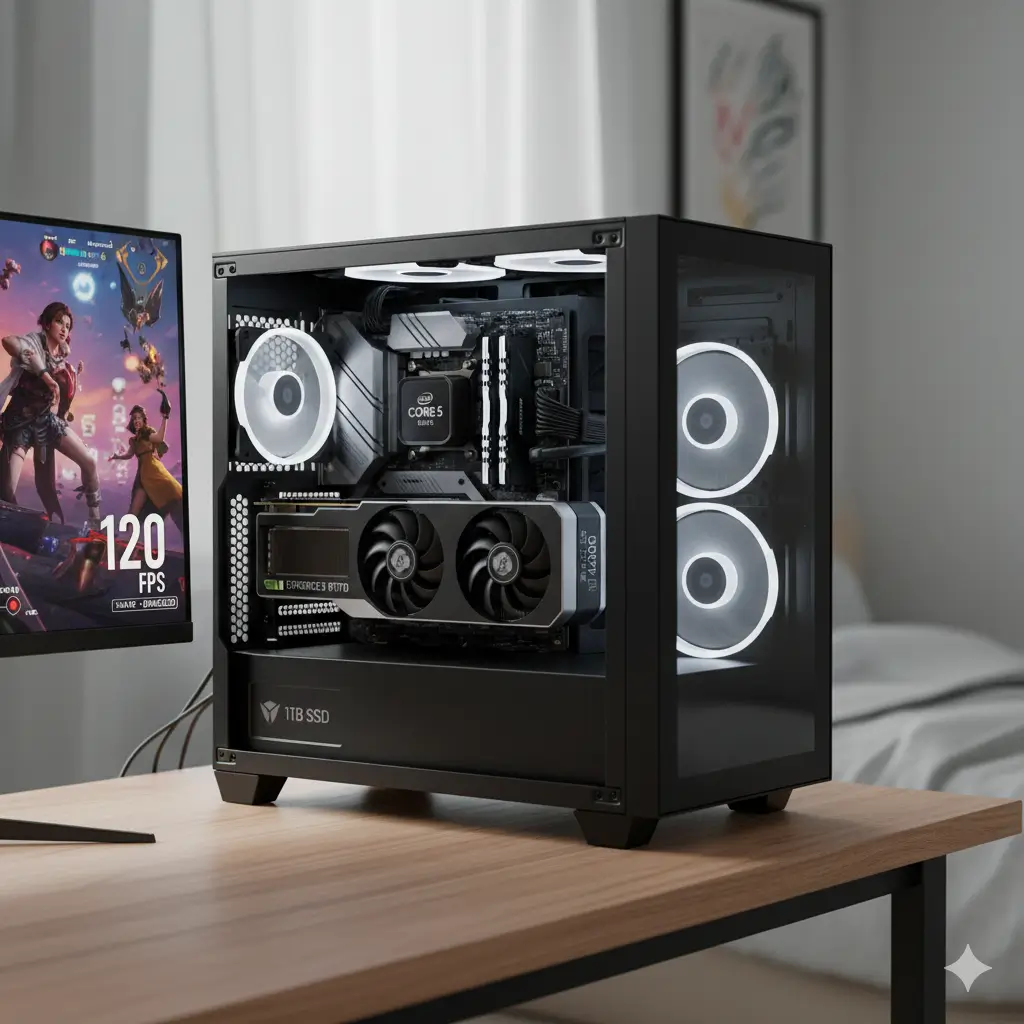


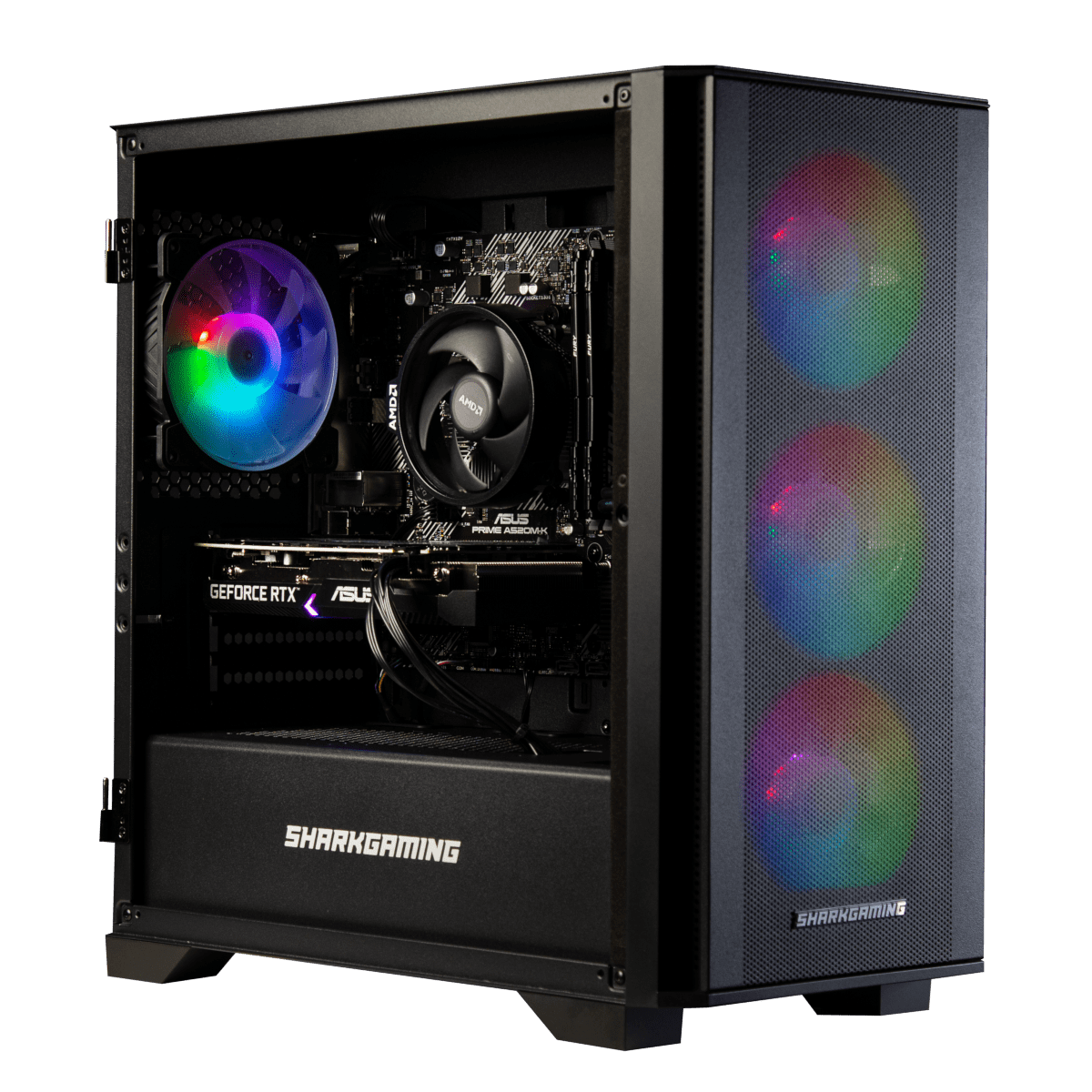
Top 5 Best Gaming Desktops Of 2026 Best Product Review Best Gaming Desktops . 8 Best Gaming PCs For 2026 Ultimate Buyer S Guide The Budget Gaming Pc 2026.webp. Top 5 Best Gaming PC 2026 Review Best Desktop Computer For Gaming To . Top 10 Best Desktop Computers 2026 For Home Office And Work Lenovo Legion Tower 7i 2026 High Performance Desktop Computer With RGB Lighting Featured In. Rets Bedste Gaming PC 2026 Den Ultimative Guide Min
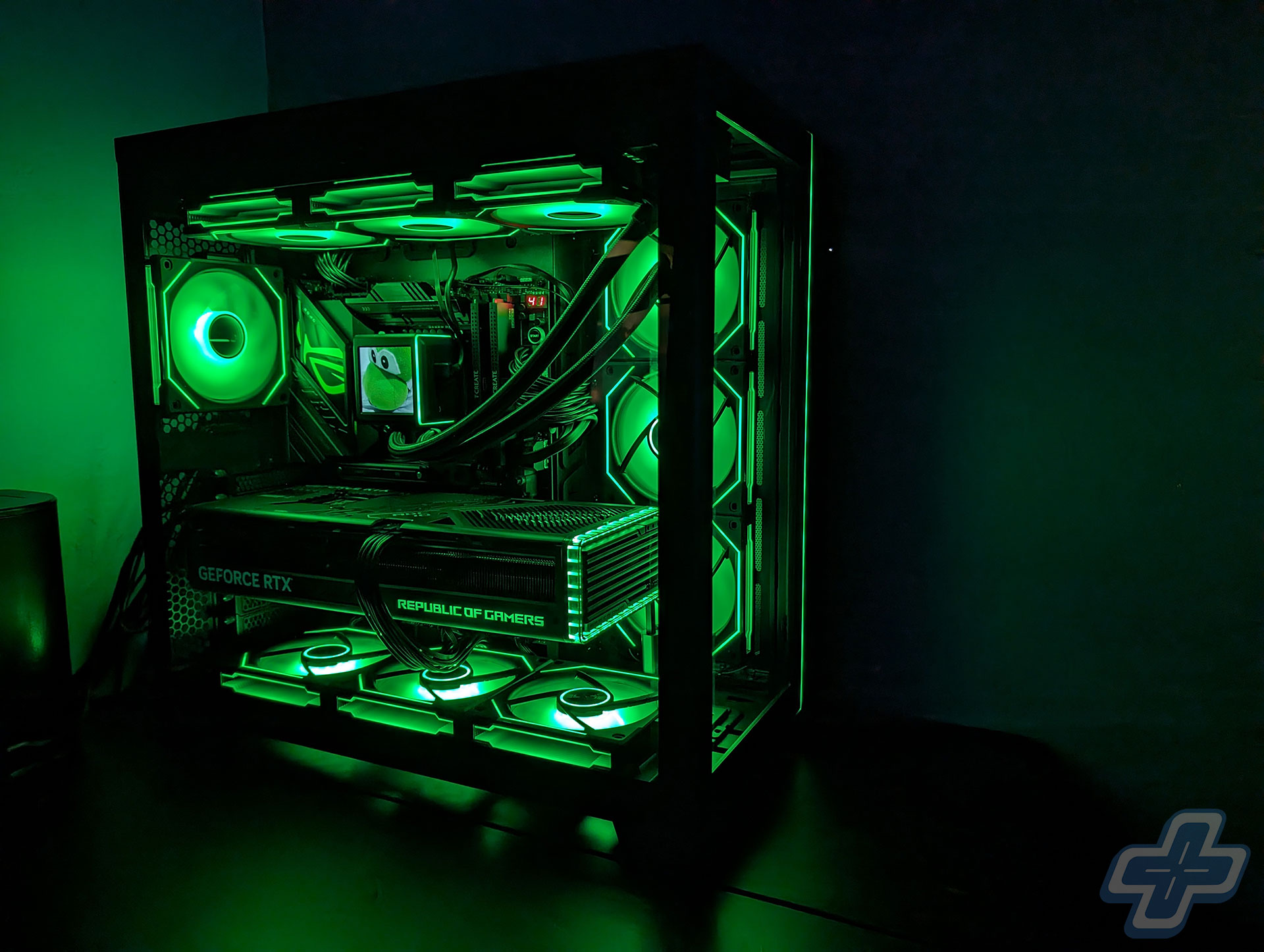
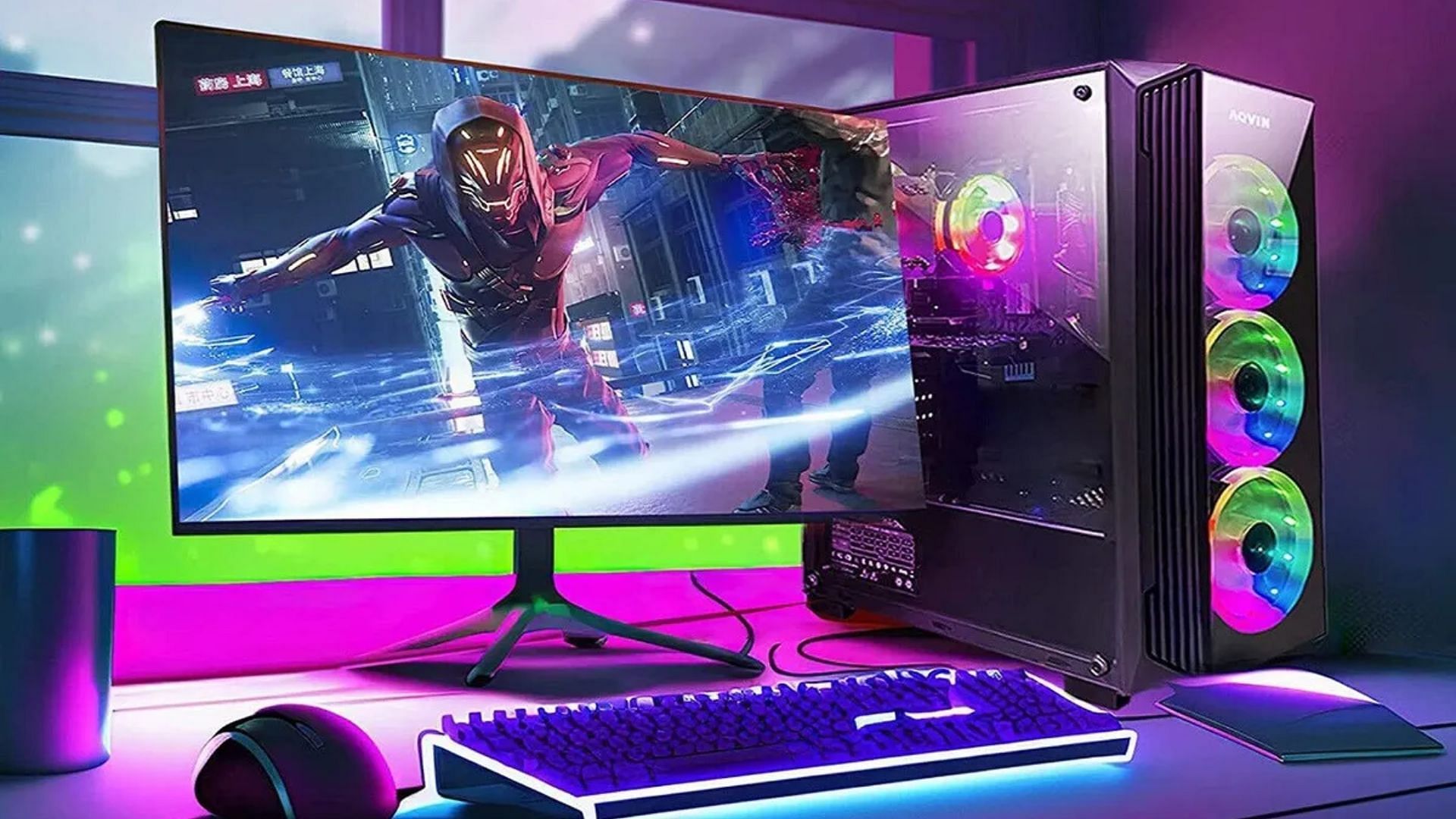

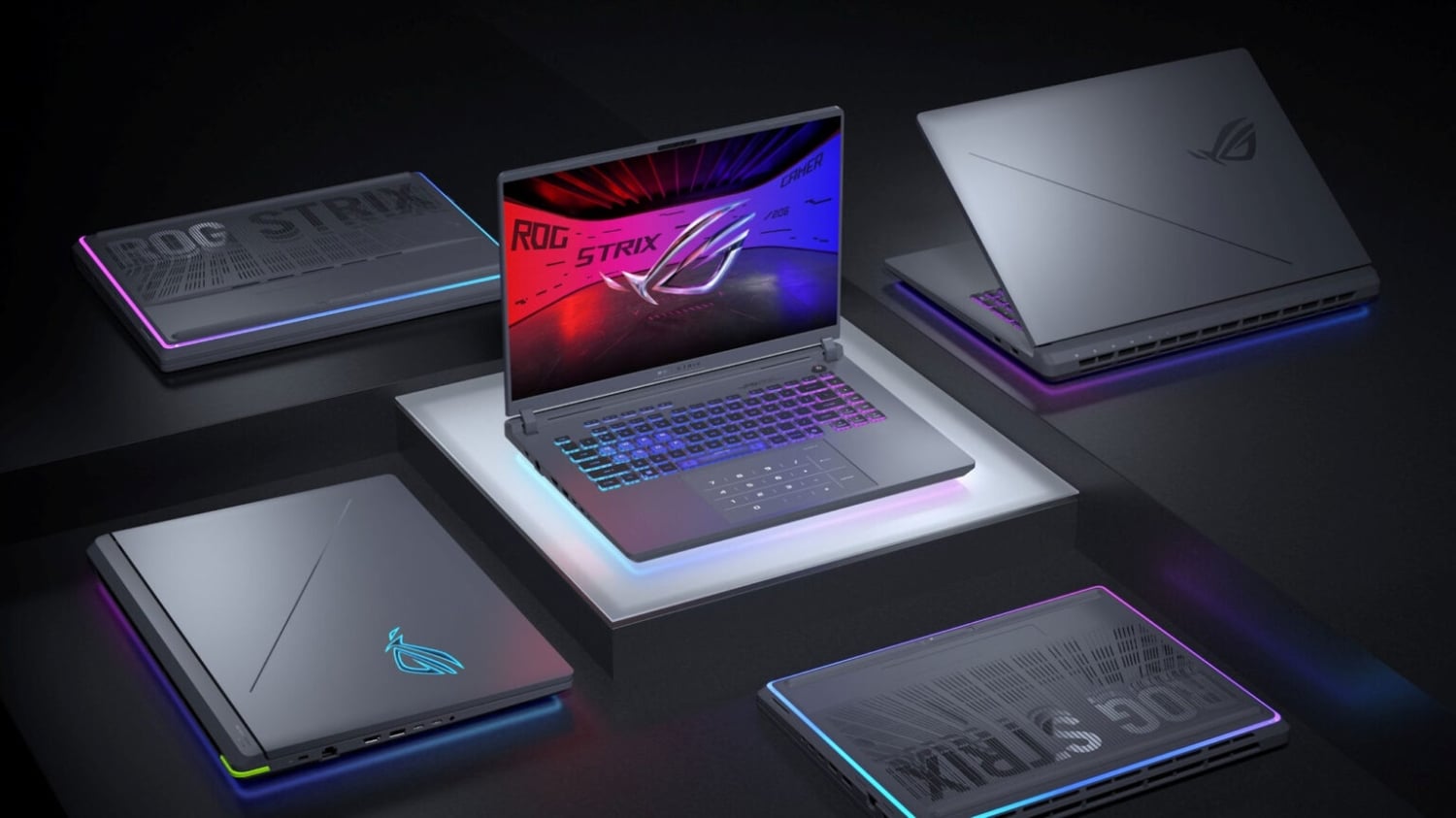

Building A New Gaming PC In 2024 FullCleared Building A Gaming Pc In 2024 Fullcleared 35 . Best Gaming Pcs At Best Buy 8ca85 1920 . The Best Cheap Gaming Laptops For 2026 Tested For Gaming Top 3 Gaming Laptops Of 2026 - The Ultimate Guide 1200x342 . ASUS ROG Showcase At CES 2026 Confirmed With New Gaming Gear Laptops 109228 43 Asus Rog Showcase At Ces 2026 Confirmed With New Gaming Gear Laptops And Future Technology Full . Best 1500 Gaming PC Build 2026 Ryzen 7 7800X3D RTX 5070 1440p 4K 1536x1024
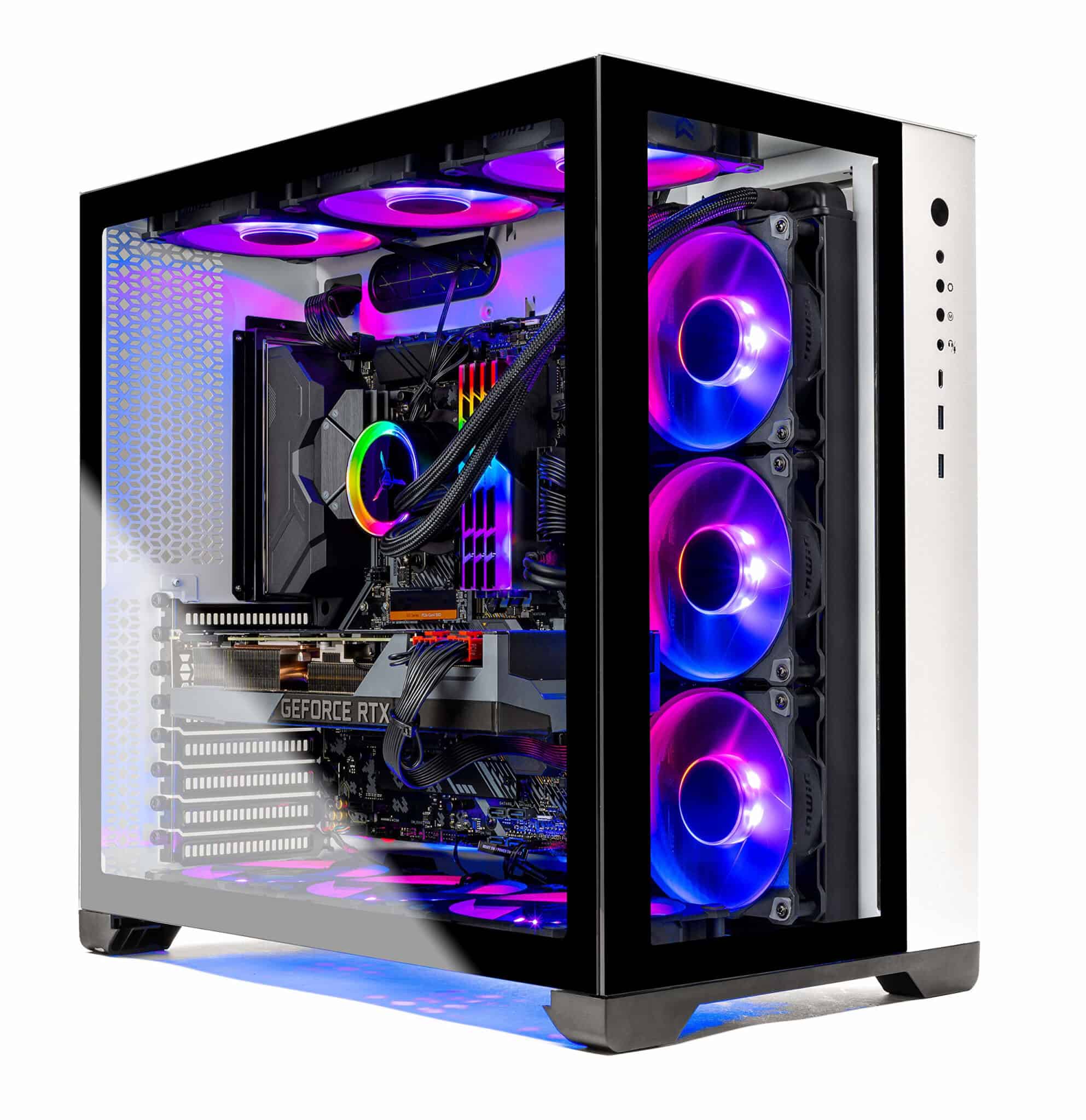
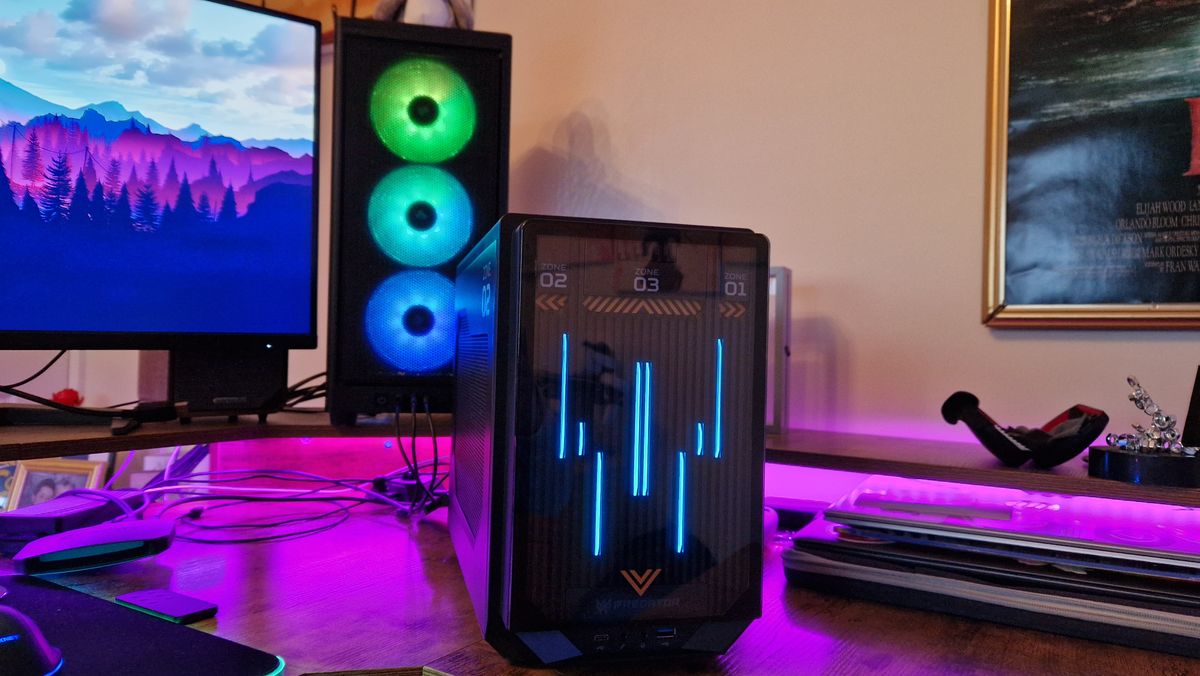


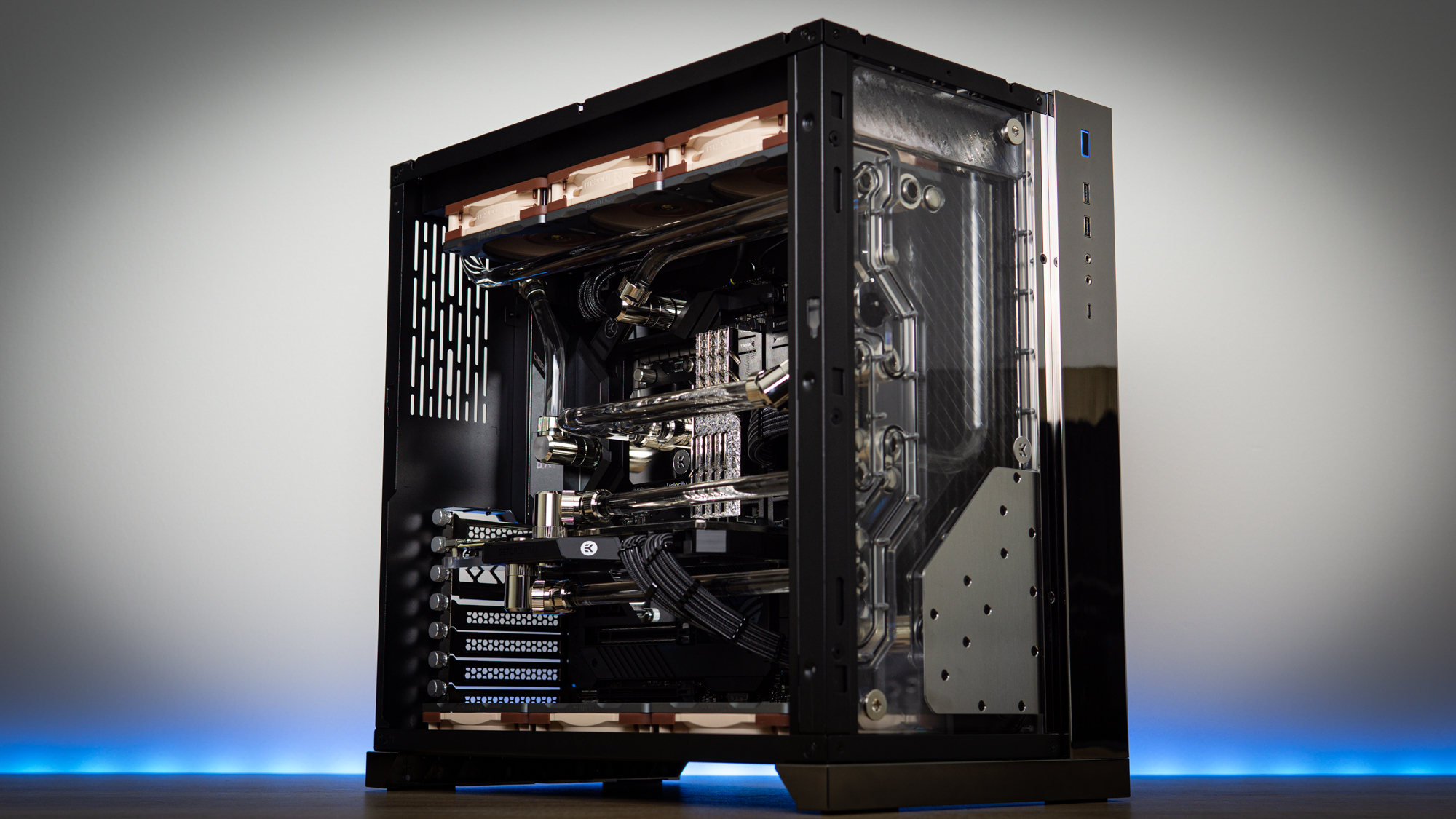
How To Upgrade Your Gaming PC 2026 Edition GadgetMates Buy Gaming Pc Las Vegas 1985x2048 . The Best Gaming PC 2026 Find Your Perfect Pre Built Powerhouse 1200 80 . Summer 2026 PC Best Buy Guide Prebuilt Power For Streamers SoftBit System Edit Compressed . 6 Best Desktop Computers 2026 YouTube . Would You Buy This 44 PC Promises Powerful Performance And



The Best Gaming PC Of 2026 Top Prebuilt Desktops Gaming Pc . Novit 2026 Requisiti PC Per Steam Quali Sono Quelli Consigliati Best Mini PCs For Gaming.webp. The Only Budget Gaming PC You Need For 2026 Rx 9060 Xt Review 13 . Best Gaming PC To Buy In 2025 Find Out Now YouTube . My Gaming PC 2026 PlayStation Pro Switch 2 And An RTX 5090 In A

Cheap PC Case Top Gamer Models For Less Than 50 2025 Pc Gamer Boitier 3. CES 2026 ASUS Revela Su Nueva Generaci N De Laptops Para Gaming Y . Guide Mat Riel Gaming 2026 PC Console Setup Pc Gaming Rgb Bureau Gamer Eclairage Neon . Best Budget Desktop Computer 2026 Windows Central . Alienware Aurora Gaming PC With RTX 5060 Ti Is The Perfect Deal To Alienware Aurora Gaming PC With RTX 5060 Ti Is The Perfect Deal To Start Off 2026




How To Upgrade Your Gaming PC 2026 Edition GadgetMates Bg Intro1 . Top 10 Most Anticipated Games Of 2026 What To Watch Out For GAMES IN 2026 . Best PC Games 2025 2026 And What To Expect In 2026 New Games 2025 2026 . Buy Call Of Duty 2026 PC Call Of Duty 2026 Pc Game Cover . Big In 2026 The Ultimate Guide To The Video Games That Will Shape 2026


12 Best Prebuilt Gaming PCs On Sale During Amazon Gaming Week GameSpot 4297376 . BEST GAMING LAPTOPS IN 2026 REVIEWED AND RANKED Technical 1200 80 . Building A Beautiful Budget Gaming PC 2026 Ryzen 5 7500F RTX 5060 . If GTA 6 Isn T Coming To PC Until 2026 This Is What A Top End Gaming 1200 80 . Razer Zeigt Auf Der CES 2026 Die Zukunft Des Gamings Xgp 2026 01.webp